The Complete Guide to Framing a Garage Door
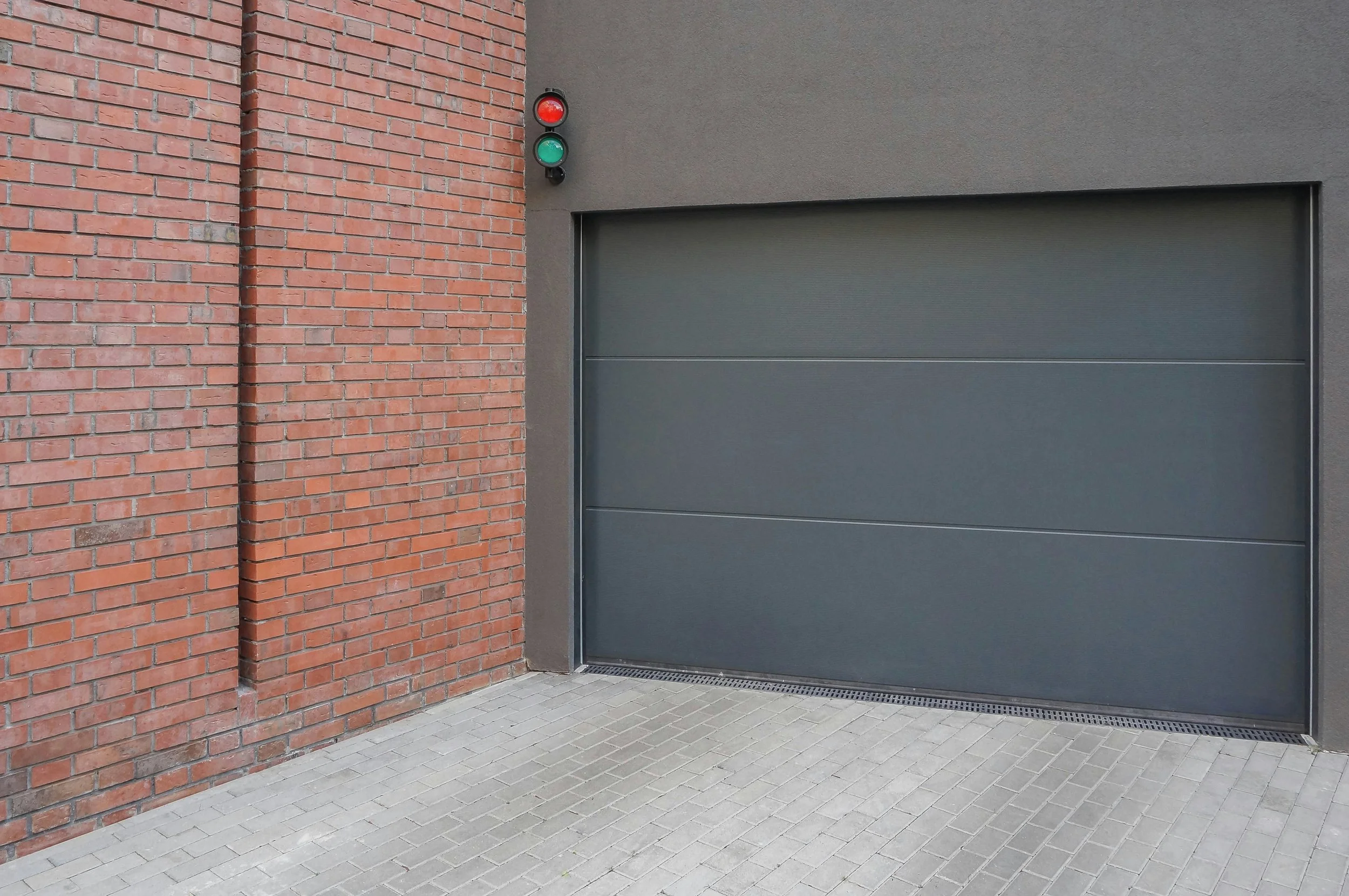
Framing a garage door plays a significant role in how smoothly it operates and how well it holds up over time. That is why homeowners looking into licensed garage door repair in Oklahoma City often want a clearer idea of how proper framing is handled. This guide explains what’s involved, from initial prep and measuring to building and finishing a frame that can reliably support the door.
Tools and Materials Needed
Choosing the right tools and materials makes the framing process easier and more reliable. A hammer, level, tape measure, and circular saw handle most of the cutting and fitting work. Safety glasses and gloves protect against common jobsite hazards while working with wood and power tools. Builders often select pressure-treated lumber because it withstands moisture better. Galvanized fasteners, brackets, and shims hold the frame together securely and help maintain straight, consistent alignment.
Measuring for Proper Fit
Careful measuring sets the foundation for the entire project. Measure the opening at multiple points across the width and use the tightest measurement to plan the frame. Check the height from the floor to the top of the opening in several areas as well. Accurate measurements help avoid uneven framing and reduce the chance of problems once the door is installed. Taking extra care at this stage saves time and prevents costly adjustments later.
Cutting and Assembling Frame Components
With the measurements locked in, the wood is cut to the required lengths. Straight, accurate cuts make assembly smoother and help the pieces fit as intended. The studs and plates are arranged to match the opening and secured as work moves along. Levels and squares are used to keep the frame accurate. Keeping everything aligned during assembly helps the structure support the garage door properly once it is installed.
Installing the Garage Door Header
The header supports the structure above the opening and must be installed with care. Set it directly above the frame and align it with the top plates on both sides. Use a level to confirm it sits straight before fastening it to the jack studs. Strong fasteners keep the header from shifting or sagging over time. Confirming proper height and support at this point helps protect the frame from stress once the door is in regular use.
Securing the Frame in Place
After the main structure is assembled, the frame must be reinforced to ensure stability. Heavy-duty screws firmly anchor the components, while metal brackets add strength at the connection points. Construction adhesive can be applied between joints to reduce movement and increase rigidity. In locations with strong winds, additional reinforcement may be needed to help the frame withstand pressure and vibration. Ensuring the frame remains level and plumb supports smooth door operation.
Adding Finishing Touches
The final touches help the frame look better and function the way it should. Adding weather stripping along the bottom edge helps keep out moisture, dust, and drafts. Trim around the opening hides small gaps and gives the frame a finished appearance. A coat of paint or stain protects the wood from changes in temperature and humidity. Some homeowners also add decorative hardware to match the rest of the garage. These steps finish the job and help the frame last longer.
Related Topics: