Easy Tips for Balancing a Garage Door at Home
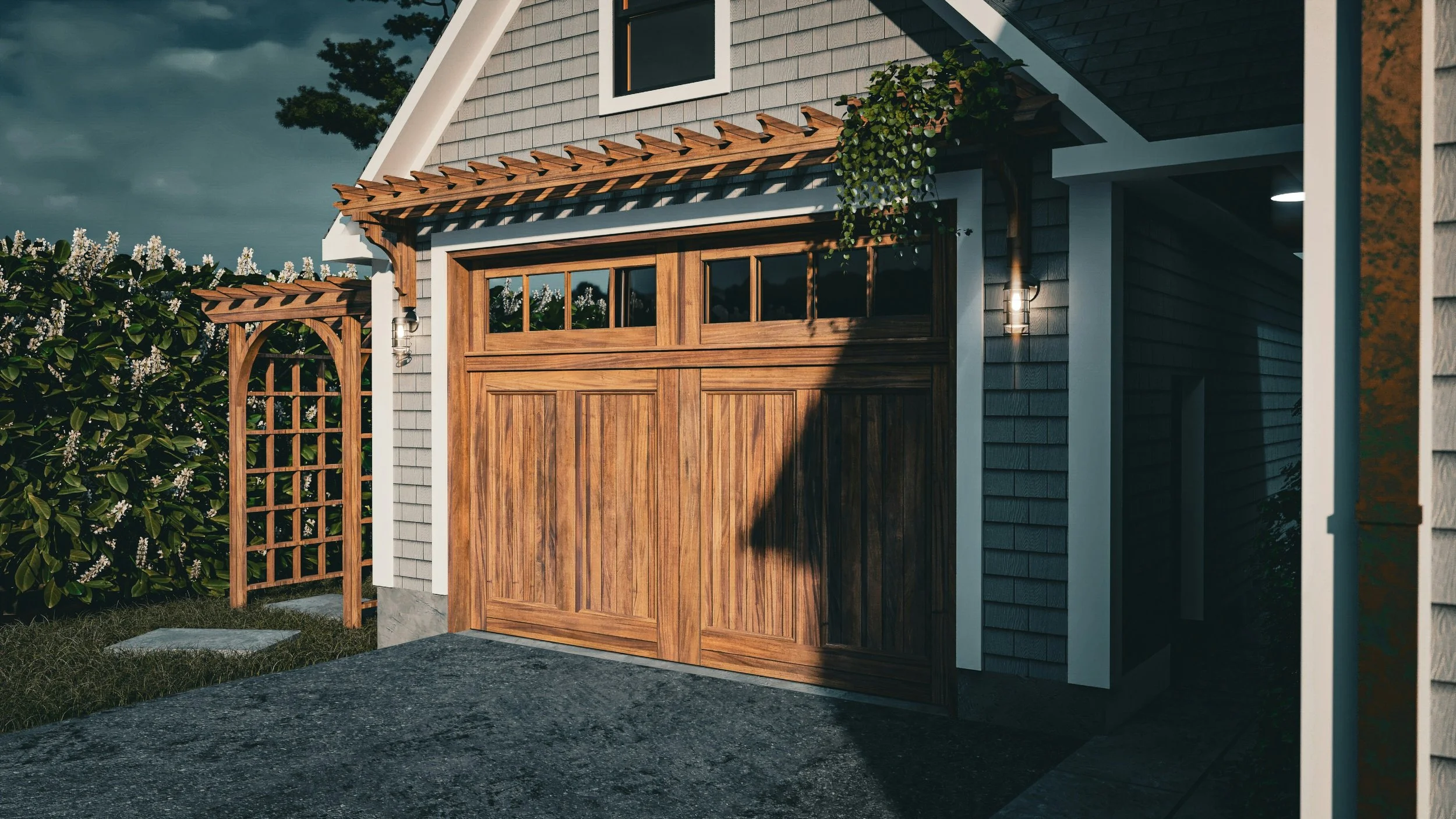
A properly balanced garage door makes a noticeable difference in how safely and smoothly it opens and closes. Homeowners looking into quality garage door repair often want a clearer idea of what a good balance actually means. This article covers how balance affects daily operation, what tools are commonly used, how to check alignment, and how simple adjustments and upkeep can keep a garage door running reliably.
Importance of Balanced Garage Doors
When a garage door is balanced, it opens and closes smoothly without strain. An unbalanced door often feels heavy or uneven, which puts extra strain on the opener and moving parts. That added pressure can shorten the system's lifespan and lead to sudden problems. Good balance also helps the door stay where it is instead of drifting. Watching for balance issues helps keep the door and its components in better shape.
Tools Needed for Balancing
The job goes better when the tools are already laid out. Winding bars help control spring tension, and a level shows whether the door sits evenly. A tape measure helps with alignment checks, and a socket wrench handles loose or tight hardware. Gloves and safety glasses offer basic protection. Being prepared ahead of time allows the work to stay on track.
Checking Door Balance
Before making any changes, the door's current balance should be checked. This starts by disconnecting the opener and lifting the door by hand to about halfway. A balanced door will stay in place rather than moving on its own. Lowering the door slowly can also reveal an imbalance if it drops too quickly. A visual check of the springs can help spot signs of wear or damage. Understanding how the door behaves at this stage helps determine whether adjustments are needed.
Adjusting Torsion Springs
Working with torsion springs takes time and a steady approach. The door needs to be held in place so it does not shift while tension is being adjusted. Minor changes are made using winding bars, with the balance checked along the way. Keeping both sides even helps the door lift properly. After the tension feels right, everything should be tightened, and the door checked again. If the process feels uncomfortable at any point, it may be better to have a technician handle the adjustment.
Testing Balance After Adjustment
After making adjustments, take a moment to see how the door moves. Lift it by hand to different heights while the opener remains disconnected. If the door stays where it is, the balance is likely close. Any drifting means more fine-tuning is needed. Making small changes and rechecking helps avoid overloading the springs or other hardware.
Maintenance Tips for Longevity
A little routine care can help prevent garage door trouble. Checking moving parts for wear, tightening loose hardware, and keeping everything lubricated helps the door move smoothly. Weather seals should be looked over for gaps, and tracks should be kept clear. Checking the balance regularly can help catch problems before they escalate.
Related Topics: