Essential Tips for Tightening Garage Door Springs Safely
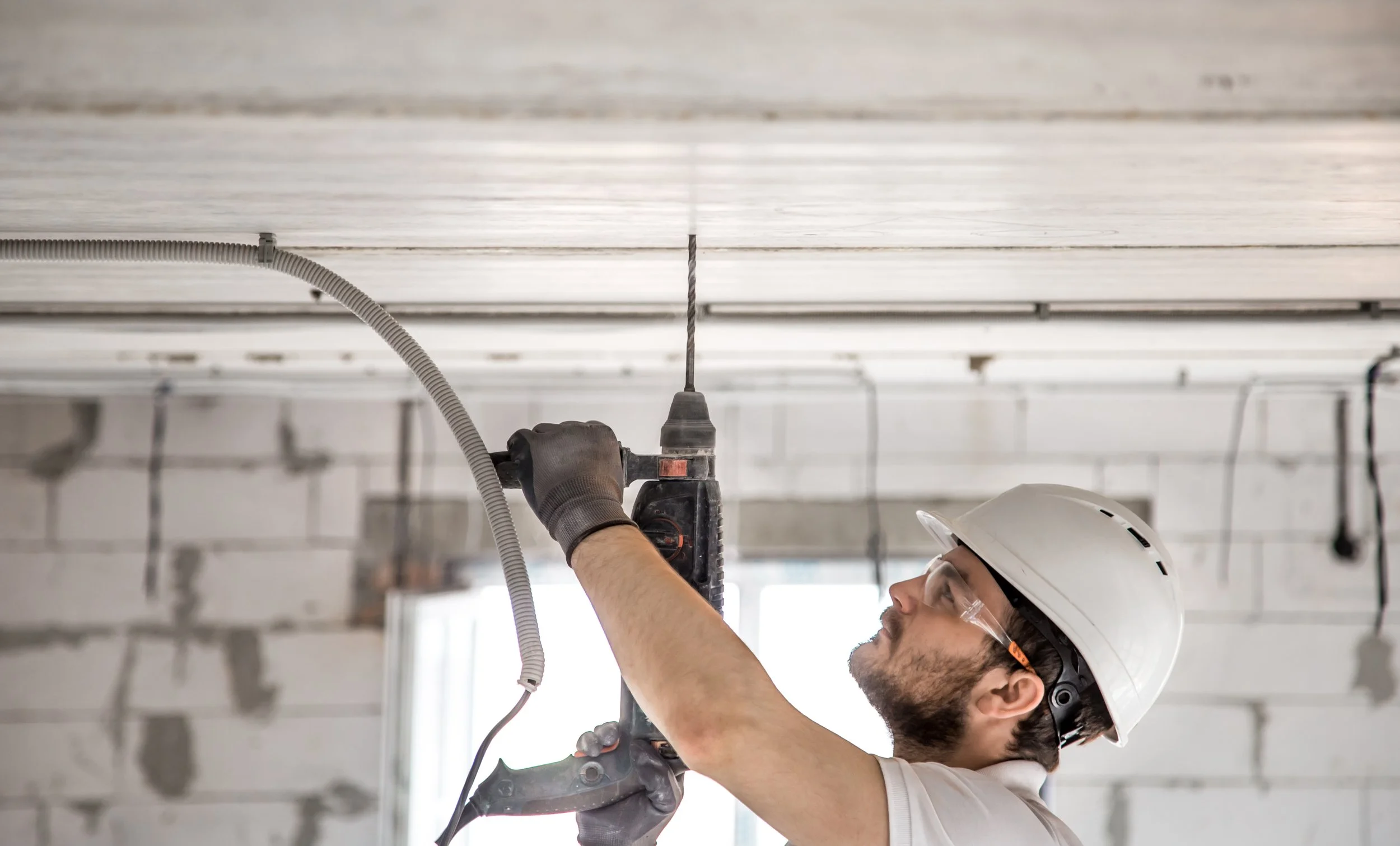
Garage door spring adjustments should never be rushed and require a good understanding of how the system operates. Homeowners searching for dependable garage door repair often want to know what proper spring handling looks like and why it matters. This article covers how garage door springs work, what needs attention before adjustments, and how careful handling supports smooth door operation and helps prevent problems.
Understanding Garage Door Springs
Springs take on most of the load that lets a garage door open and close smoothly. When they wear out or lose tension, the door quickly becomes difficult to handle. Torsion springs sit above the door and rotate as it moves, while extension springs run along the sides and stretch during operation. Each setup works in its own way, so it helps to know what type you are dealing with. Since the springs stay under pressure, caution is always needed when working around them.
Necessary Tools and Equipment
The work tends to go better when the tools are within reach before starting. Winding bars keep spring tension under control, and a stable ladder makes overhead access safer. Gloves and eye protection help prevent injuries when handling metal parts. A tape measure keeps both sides even. Taking a few minutes to prepare can prevent small errors later.
Safety Precautions Before Starting
Safety should always come first before making any adjustments. Inspect the springs closely for rust, cracks, or visible damage that could cause failure during tightening. Make sure the garage door is fully closed and disconnect the automatic opener to prevent unexpected movement. Use winding bars that fit properly into the winding cone to avoid slipping. Keep the area free of distractions, including pets and children, and wear protective eyewear and gloves throughout the process. These precautions reduce the chance of injury and equipment damage.
Step-by-Step Tightening Process
Spring adjustments work best when done slowly and with full control. After making sure everything is set up safely, check the type of springs installed on the door. Increase tension a little at a time, using proper tools and keeping adjustments equal on both sides. Pay attention to any resistance or movement and take your time. Lock the hardware in place once the tension feels balanced. Careful handling throughout the process helps keep the door running properly.
Testing and Adjusting Tension
After adjusting the springs, take a moment to see how the door behaves. Raise it by hand to about halfway while the opener remains disconnected. If the door holds its position, the tension is likely close to right. Any drifting means more fine-tuning is needed. Small changes followed by another quick test work better than large adjustments. Keeping both sides even reduces stress on the door and its hardware.
Maintenance Tips for Longevity
Keeping up with basic maintenance can make a noticeable difference in how long garage door springs last. A silicone-based lubricant on the coils and hinges helps reduce rubbing and strain. Clearing away dirt and old residue first allows the lubricant to spread properly. Taking a moment to check the springs and hardware for wear during maintenance can catch problems early. Simple upkeep like this helps prevent unexpected door trouble.
Related Topics: