How to Measure Garage Door Torsion Springs for Accurate Installation
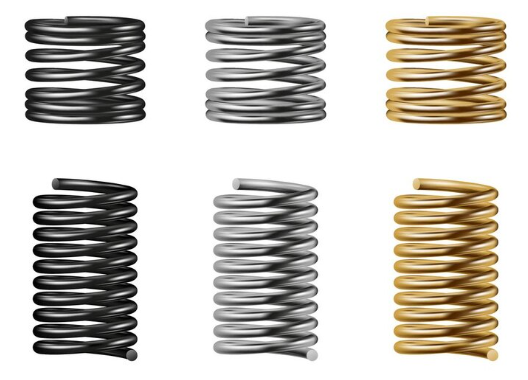
Measuring a torsion spring correctly before replacement reduces the chance of ordering the wrong size and lowers the risk of installation issues. Homeowners and service technicians follow reliable garage door repair standards to ensure the spring matches the door’s weight and existing hardware. This content explains the measurement process, the tools involved, and why accuracy is needed from start to finish. Being familiar with these steps beforehand helps prevent mistakes and ensures the door moves correctly once the work is done.
Importance of Accurate Measurements
Accurate measurements directly affect how a garage door performs after a torsion spring is replaced. An improperly sized spring can place extra stress on the opener, cause the lift to operate unevenly, or wear out sooner than expected. Carefully checking the wire thickness, inside diameter, total length, and wind direction helps the spring support the door correctly. Small mistakes in measurement can upset the balance and create safety concerns, making careful notes and double-checking an essential part of the process.
Tools Needed for Measurement
Measuring torsion springs requires a few basic tools to ensure consistency and accuracy. A tape measure is used to check the spring’s length, while calipers provide precise readings for wire thickness and inside diameter. A scale may be used in some cases to confirm spring specifications. Safety glasses and gloves are also recommended to protect against sharp edges and tension-related risks while working near the torsion system. Having these tools ready helps avoid guesswork and repeated handling of the spring.
Measuring the Wire Size
The thickness of the spring wire affects how much load it can support, so measuring it accurately is necessary. Use calipers to check the wire diameter without pressing into the metal. Measure in a few different spots along the coil to allow for everyday wear. Write down the most consistent reading so the replacement spring fits the system correctly and works as intended after installation.
Determining the Inside Diameter
The inside diameter is the width of the opening at the center of the spring and determines how it sits on the torsion shaft. To measure it, place calipers across the broadest part of the opening without angling or squeezing the coil. Keeping the tool steady prevents distorted readings. Taking multiple measurements helps confirm the result and reduces the risk of selecting a spring that does not fit appropriately on the shaft.
Calculating the Length of the Spring
Spring length is measured with the garage door fully closed to release tension. The measurement runs from the outer edge of one stationary cone to the outer edge of the other. Using a tape measure or calipers that lock in place helps maintain accuracy. Recording the full length without rounding ensures the replacement spring matches the original specifications and supports balanced door movement.
Checking for Wind Direction
Torsion springs are designed to turn in a set direction, and confirming this before installation is key to safe operation. The position of the end coils relative to the center bracket indicates the direction the spring is wound. Checking the placement of the cable drums on the shaft offers additional confirmation. Using a spring wound in the wrong direction can cause lifting problems and place unnecessary stress on the door system.
Taking accurate measurements and confirming each detail before replacement helps ensure the garage door system works safely and efficiently after installation.
Related Topics: