How Do You Seal Gaps in a Garage Door
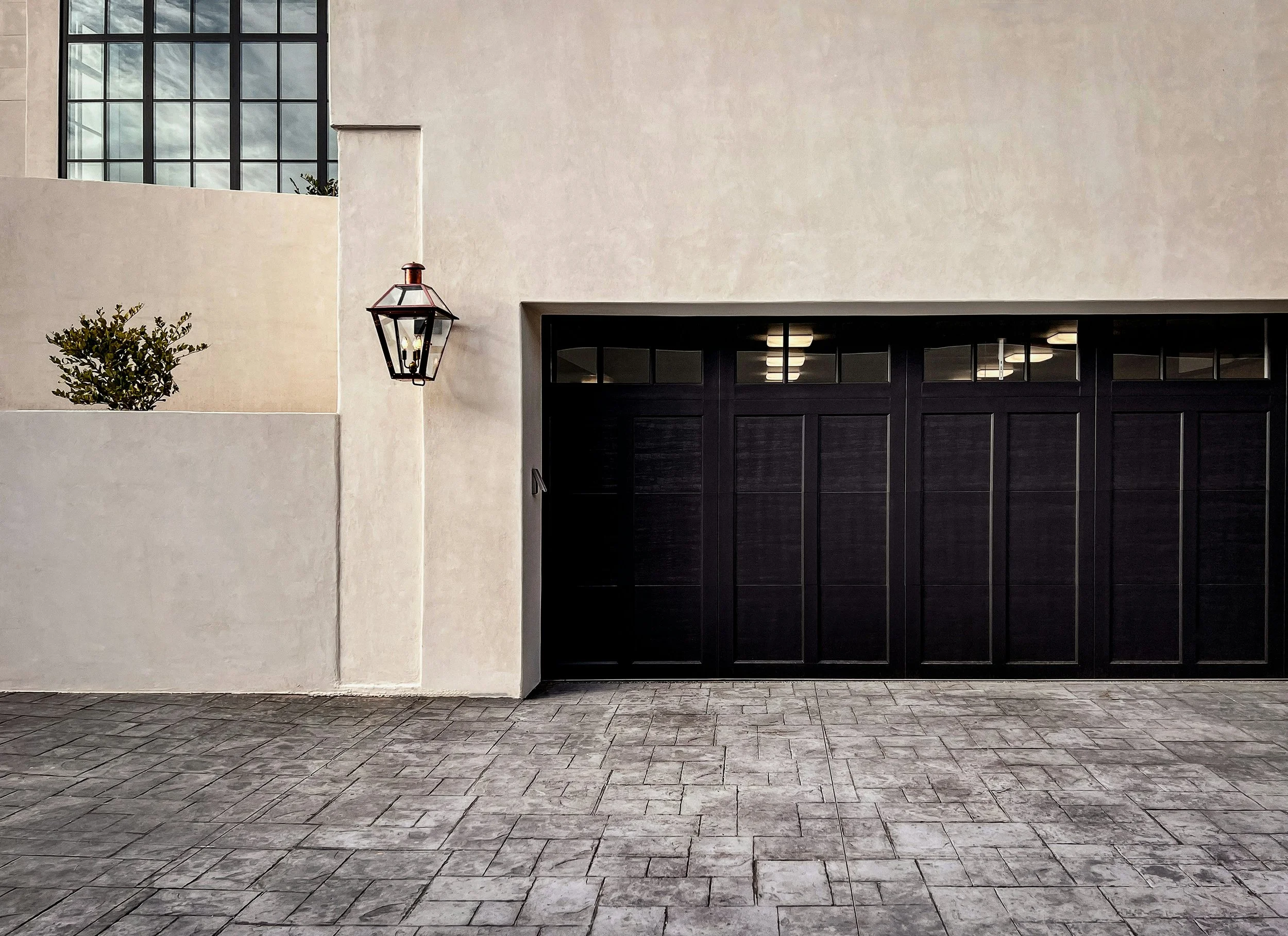
Small gaps around a garage door can let in drafts, moisture, and unwanted pests, making the space more challenging to control. Replacing old weatherstripping, adding a snug bottom seal, and filling cracks with caulk or foam can reduce air leaks. It also helps to inspect the tracks and swap out worn seals so the door closes evenly. These straightforward fixes are often addressed by trusted garage door repair in Oklahoma City to keep garages comfortable and protected.
Using Weatherstripping for Garage Door Gaps
To effectively seal gaps around your garage door, start by installing weatherstripping along its sides. This simple yet efficient solution prevents drafts, water infiltration, and improves overall insulation. Weatherstripping is available in various materials, such as rubber, vinyl, and foam, each offering different levels of durability and insulation.
How to install weatherstripping:
Measure the sides of your garage door to determine the appropriate length for the weatherstripping.
Cut the material to size and clean the edges of the door to ensure proper adhesion.
Peel the backing off the weatherstripping and press it firmly along the door’s edges, ensuring it creates a tight seal.
Test the door to confirm it closes properly without any gaps.
Weatherstripping is a cost-effective and easy way to enhance the energy efficiency of your garage, keeping it comfortable and secure.
Installing a Garage Door Threshold Seal
For added protection against water, dirt, and pests, consider installing a garage door threshold seal along the bottom of the door. This rubber seal creates a more effective barrier than weatherstripping alone. It helps maintain insulation while sealing out unwanted elements.
How to install a threshold seal:
Measure the width of your garage door to purchase the correct seal size.
Clean the bottom edge of the door to remove dirt or debris that may affect the adhesive.
Peel the backing off the seal and press it firmly into place along the door’s bottom edge.
By installing a garage door threshold seal, you’ll improve your garage’s insulation and safeguard it against external elements, enhancing its efficiency and functionality.
Sealing Gaps with Caulk or Foam
To seal gaps in your garage door more effectively, apply caulk for smaller gaps or expanding foam for larger spaces. Caulk creates a tight, durable seal around small cracks and gaps, while foam expands to fill larger voids, providing excellent insulation.
How to use caulk or foam:
For caulk, choose a high-quality silicone or latex product. Clean the gap thoroughly before applying a continuous bead of caulk to fill the entire space.
For larger gaps, use expanding foam insulation. Apply the foam carefully as it expands significantly. Once dry, trim any excess foam for a neat finish.
Both caulk and foam offer an affordable and effective way to seal gaps and improve insulation in your garage door, ensuring it is protected from drafts and pests.
Aligning Garage Door Tracks
Regular inspection and maintenance of your garage door tracks are essential to maintain smooth operation and prevent malfunctions. Misaligned tracks can cause the door to move unevenly, leading to damage over time.
How to adjust garage door tracks:
Check for any gaps between the tracks and rollers.
Use a rubber mallet to gently tap the tracks back into alignment if necessary.
Verify the tracks are plumb and parallel with the help of a level.
Tighten any loose bolts or screws holding the tracks in place.
Test the door to ensure smooth operation.
Maintaining the proper alignment of your garage door tracks will prevent costly repairs and prolong the life of your garage door system.
Replacing Worn Weather Seals
To maintain a properly insulated garage, it's important to replace worn weather seals. These seals play a crucial role in preventing drafts, water infiltration, and pest entry, making your garage more energy-efficient.
How to replace worn weather seals:
Measure the length of the replacement seal needed.
Remove the old seal from the channel by pulling it out carefully.
Clean the channel thoroughly before inserting the new weather seal.
Insert the new seal, ensuring it fits snugly into the channel. Trim any excess as needed.
Test the door to confirm the seal effectively prevents drafts and maintains insulation.
Replacing worn seals regularly ensures optimal performance and energy efficiency for your garage.
Professional Garage Door Maintenance
To ensure the long-term performance and efficiency of your garage door, professional maintenance is recommended. Experienced technicians can inspect all components of your garage door system, including springs, cables, tracks, and rollers. They’ll also lubricate moving parts, adjust tension, and make any necessary repairs to keep the system running smoothly.
Benefits of professional garage door maintenance:
Early identification of potential issues before they lead to costly repairs.
Regular lubrication and adjustments to keep the door functioning efficiently.
Expert advice on proper care and potential upgrades for better security and performance.
Investing in professional maintenance can save time, money, and hassle while keeping your garage door in top condition for years to come.
Contact Us
Looking to enhance your home's curb appeal or need reliable garage door services? Reach out to Trotter Overhead Door for expert installation, repair, and maintenance solutions.
📍 Address: 14000 North Santa Fe Ave., Edmond, OK 73013
📞 Phone: (405) 341-9601
📧 Email: info@trotteroverhead.com
🕒 Showroom Hours:
Monday - Friday: 7:30 AM - 5:00 PM
Saturday: 8:00 AM - 11:00 AM
Sunday: Closed
For inquiries or to schedule a consultation, please visit our Contact Us page.
Related Topics: