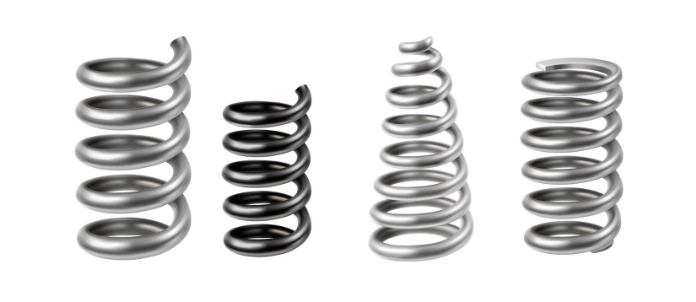
Torsion springs are the hidden muscle behind a garage door. They twist, store energy, and make the door go up and down without you even thinking about it. The twisting force, or torque, is what actually moves the door, and keeping it balanced keeps things from getting jerky or weird.
People often forget just how much stress these little springs handle every day. A lot of homeowners check them rarely, but a few tweaks here and there, or calling OKC's trusted garage door repair, can really save trouble later. It's one of those things where a little attention pays off big.
Understanding Torsion Springs: Basics
At a glance, torsion springs might seem simple, but don't be fooled; they're doing a lot. Twist them, and they store energy that helps lift the door without straining the opener or your arms if you lift it yourself. That twisting force, torque, is what gets the door moving. The size of the spring, the material it's made from, and how many coils it has all matter. And yeah, they take a beating over time. So keeping an eye out for rust, lubrication needs, or sagging tension isn't overkill. It's like checking your car oil: you do it now, or it bites you later.
Role of Torque in Torsion Springs
Torque is basically the spring's way of flexing its muscles. As the spring unwinds, it turns that stored energy into motion, lifting the door without you noticing the force involved. The thicker the wire, the more coils, and the tighter it's wound, the more torque you get. If it's off, the door can be hard to open, jerky, or uneven. When the torque is correct, the door slides smoothly, and the opener doesn't have to fight it. It's easy to forget, but even minor adjustments can make a big difference in how the door feels day to day.
Importance of Proper Tension
Tension is another piece of the puzzle. Too tight, and the door could snap or wear out faster. Too loose, and it won't lift right, or it might slam shut. Getting the tension right keeps the door balanced, smooth, and safe. You'll notice it immediately when it's off, squeaky, jerky, or just stubborn. A little check here and there, or a quick call to a professional, can prevent problems that seem small but grow fast.
Torsion Springs vs. Extension Springs
Torsion springs and extension springs both lift doors, but in different ways. Torsion springs twist above the door, storing energy in a controlled way. Extension springs stretch along the sides of the door as it moves.
Torsion springs last longer and are safer, mainly because the energy is contained in a coil instead of stretching across the door's full width. But they do require some know-how to adjust. Not impossible, but if you're not confident, a pro is worth it. You don't want to unwind the spring the wrong way accidentally.
Maintenance Tips for Torsion Springs
Checking your torsion springs isn't complicated if you pay a bit of attention. Look for rust, worn spots, or sagging coils. Keep them lubricated so friction doesn't wear them down. A quick test of the door's balance can reveal problems early. And honestly, having a technician peek at them every so often isn't overkill; they notice things most of us don't. Little maintenance now keeps big headaches away.
Common Issues & Troubleshooting
Springs wear out over time. One might stretch more than the other, which makes the door lift unevenly. Rust or corrosion weakens them, too. If the door feels off or moves strangely, check for visible wear, make sure it's balanced, and see if lubrication is needed. Waiting too long makes repairs bigger and more expensive. Keeping up with these checks, or having a pro do it, keeps the garage door running safely and avoids surprises.
Related Topics: