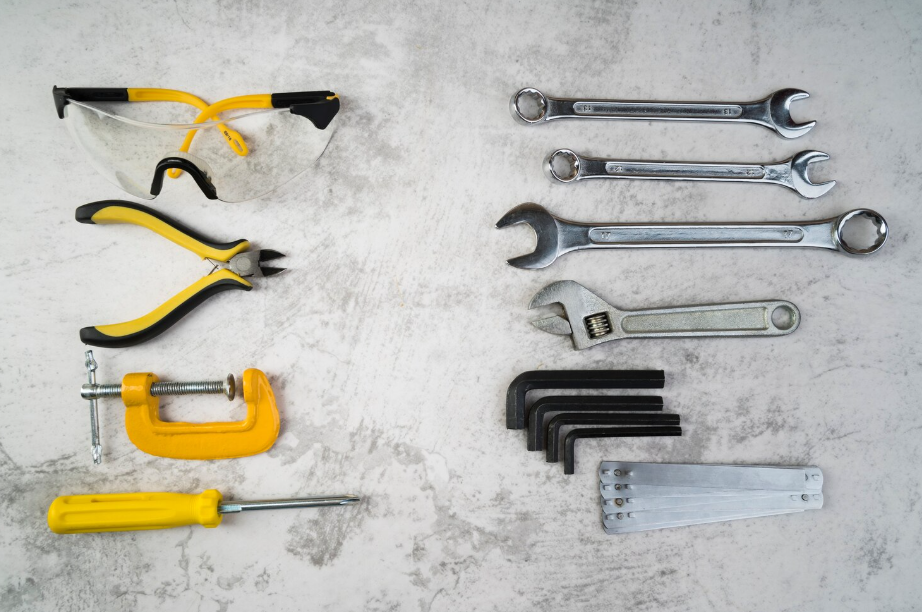
Adjusting garage door torsion springs at home isn’t something to rush into, but it’s doable if you pay attention and take it slow. The springs are up there above the door, coiled tight, doing a lot of work you probably never notice. Safety gear is a must: gloves, goggles, and making sure the opener’s power is off.
You’ll also need winding bars, locking pliers, and a ladder to reach them comfortably. The trick is to check the springs carefully, see if the door moves oddly, and tighten things little by little. A steady hand helps, and if it starts to feel tricky, calling affordable garage door repair is a smart move to avoid any accidents.
Safety Precautions
Before touching anything, make sure you’re not rushing and that the area is safe. Glasses, gloves, and closed-toe shoes are a must. Double-check the opener is off so the door doesn’t suddenly move. These springs are tense, like really tense, so using the right winding bars is important. Keep your body out of the way as much as you can. Don’t try to rush it. Small mistakes here can be dangerous, and it’s just better to take it slow.
Tools and Materials Needed
You need a few things before you start messing with the springs. Winding bars, locking pliers, a ladder, measuring tape, and safety goggles. Winding bars turn the springs, locking pliers keep the tube from moving, and a ladder lets you reach without leaning or stretching dangerously.
A measuring tape is just for minor tweaks. And new springs? Sometimes it helps to have them just in case, because old springs might not be safe to keep using. Having everything ready makes it way easier.
Locate the Torsion Springs
The springs are just above the door, parallel to the top edge. Stand inside, look up, and you’ll see a metal shaft going through them. There’s one on each side, with cables running down to the bottom of the door. They’re really tightly coiled. Make sure you know which ones you’re dealing with before doing anything. Misidentifying them is a big no-no.
Determine the Current Tension
Check how the springs are doing before touching anything. Rust? Worn spots? Coils not even? Watch the door go up and down. Is it heavy? Jerky? Makes weird noises? Smooth? Then, probably fine. Odd movement or noise? Might need adjustment. You want to know what you’re starting with, because over-tightening is just as bad as being too loose.
Tightening the Torsion Springs
Line up the winding cone with the shaft. Put one bar in the bottom hole of the cone and hold it. Use the other bar to turn a quarter at a time. Then switch sides. Go slow. Alternating keeps the tension even. Keep a firm grip; keep the bars perpendicular. Tighten the set screws at the end. Don’t rush. Seriously.
Testing the Garage Door
After you tighten it, raise and lower it a few times. By hand first, feel for sticking or rough spots. Then use the opener and listen for odd sounds, jerks, or anything strange. Make sure both sides lift evenly, and the door stays level. Do it a few times. If it feels off, tweak a little. Taking a bit longer here is worth it for safety and to keep the door working smoothly.
Related Topics: