The Advantages of Insulated Garage Doors for Edmond Residents
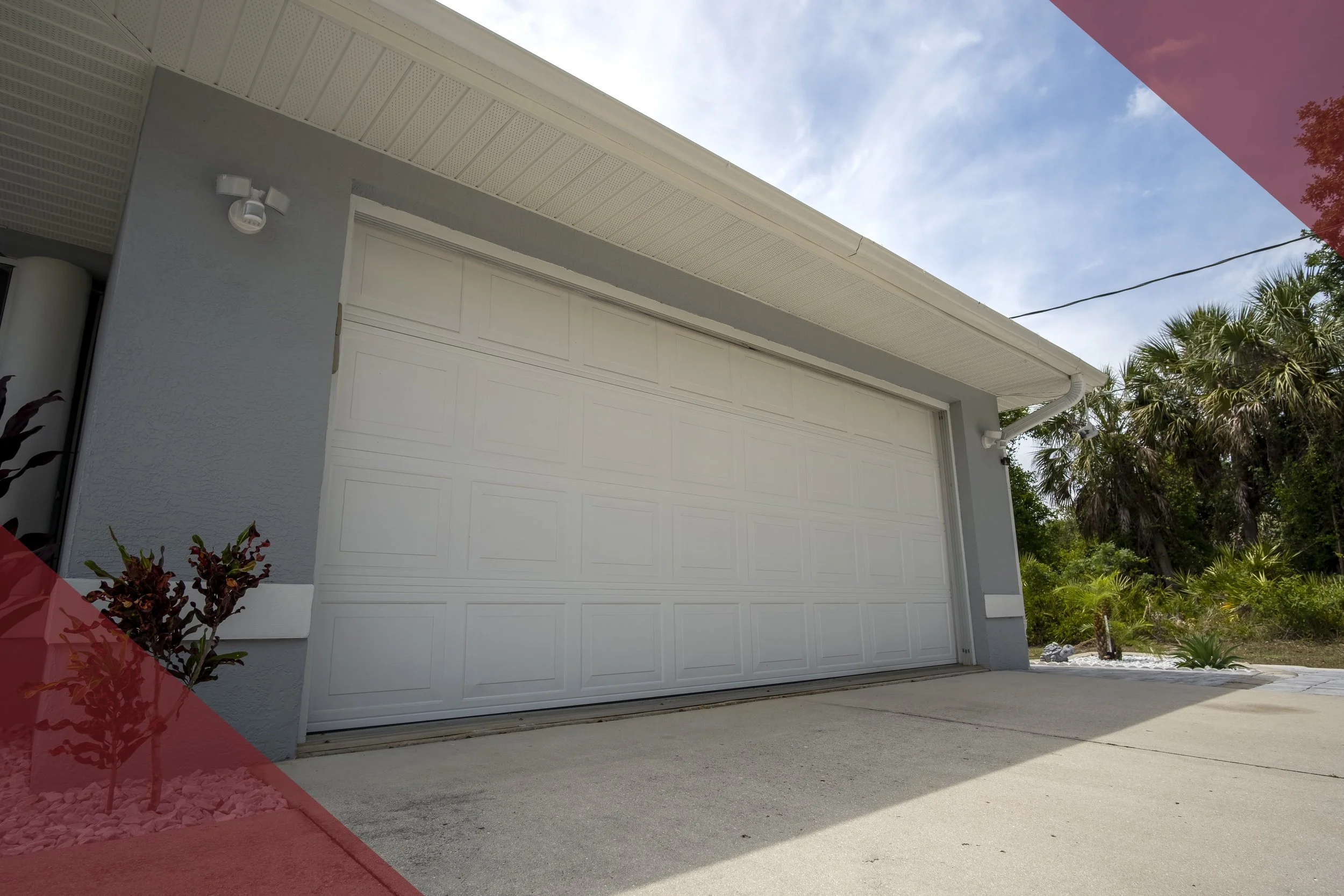
Insulated garage doors have quietly become the standard choice for new homes going up today, and the reasoning behind that shift is easy to understand once you look at conditions in Edmond. Homeowners who search for expert garage door repair often find that insulation problems are behind whatever issue brought them there in the first place.
Local weather is tough on uninsulated surfaces, and since the garage door tends to be the largest opening on most houses, what happens at that opening carries more weight than people tend to assume. Comfort inside the home, quieter operation, sturdier materials over time, and lower energy costs all connect back to the value an insulated door delivers across its working life.
How Insulation Handles Oklahoma's Temperature Extremes
Edmond sits in a climate zone where the gap between summer highs and winter lows can span more than 100 degrees across the year. July afternoons regularly reach triple digits, and January cold fronts push temperatures well below freezing. A garage door without insulation allows that full range of outdoor conditions to land directly inside the garage, which affects the temperature of anything stored there, the comfort of the space if it is used for more than parking, and the workload on any HVAC system serving adjacent rooms.
An insulated garage door slows that thermal transfer. The insulation material, whether polystyrene or injected polyurethane foam, creates a barrier that resists the movement of heat through the door panel. The door does not eliminate the temperature difference between inside and outside, but it reduces how much of that difference the garage absorbs during the day and gives up at night. For a garage that shares a wall with a bedroom, a home office, or a finished living space, that resistance directly affects how hard the heating and cooling system has to work.
What an Insulated Door Does for Your Energy Bills
The relationship between an insulated garage door and energy costs depends on how the garage connects to the rest of the home. For an attached garage that shares walls and possibly a ceiling with conditioned living space, an uninsulated door is a gap in the building envelope. The insulation in those shared walls does its job, but the door on the other side of the garage is cycling the temperature in the garage up and down all day. That puts a constant load on the walls the insulation is working to protect.
Replacing an uninsulated door with an insulated model with a solid R-value does not eliminate that load, but it reduces it. Homeowners who make the switch often notice the change most clearly in months like September and March, when temperatures swing hard between warm days and cold nights. The garage stabilizes more slowly with an insulated door, which means the shared walls are working against a more moderate temperature gradient. The cumulative effect on energy consumption over a year is real, and it tends to be most pronounced in homes where the garage is actively used and the door cycles multiple times a day.
Noise Reduction as a Practical Benefit
A less discussed advantage of insulated garage doors is how much quieter they operate compared to single-layer steel doors. The insulation material, particularly polyurethane foam that bonds directly to both steel skins, dampens the vibration that single-layer panels transmit with every movement.
A basic uninsulated door rings like a drum when it hits bumps in the track or when the opener engages. An insulated door with bonded foam absorbs those vibrations before they transmit through the panel.
This matters more for some households than others. If the garage is directly below a bedroom, or if someone in the home works from a home office adjacent to the garage, the acoustic difference between a single-layer door and an insulated one is noticeable. It also affects the sound the garage makes when it is windy. An uninsulated door flexes and rattles in high wind. A well-constructed insulated door, with its bonded layers and higher mass, is more resistant to that kind of flex. Oklahoma is not short on wind, and that characteristic becomes relevant quickly for homeowners who have lived with a noisy door through a few spring storm seasons.
How Insulated Doors Hold Up Over Time
The structural construction of an insulated door also contributes to its longevity. Single-layer steel doors are thin and relatively flexible. They dent more easily, they warp in temperature extremes, and they do not handle incidental contact as well as thicker, multi-layer construction. A door with polyurethane foam bonded between two steel skins is a more rigid panel. It resists denting under moderate impact, it holds its shape through temperature cycles better, and it tolerates the mechanical stress of daily operation over more cycles before showing wear.
The spring and hardware system on a garage door is calibrated to the door's weight. Insulated doors are heavier than uninsulated ones, which means the spring system is set up to manage that load from the start. The additional weight also contributes to a more consistent, controlled movement through the travel cycle. Lighter doors tend to bounce and flex more during operation, which places more wear on rollers and hinges over time.
The combination of better construction and more controlled operation means an insulated door generally requires less maintenance attention over its service life than a single layer alternative. Even so, scheduling a seasonal tune up through Trotter's garage door services keeps hardware properly calibrated and catches minor wear before it turns into a bigger repair.
Choosing the Right Insulated Door for Your Edmond Home
Insulated doors come in a range of construction types, R-values, and styles. The right choice depends on how the garage is used, what the home's thermal priorities are, and what the homeowner wants the door to look like. Contemporary plank, carriage house, and custom wood overlay styles are all available in insulated configurations, so the aesthetic options are the same as with uninsulated doors. The insulation level, the steel gauge, and the layer construction are the variables that differentiate one model from another at similar price points.
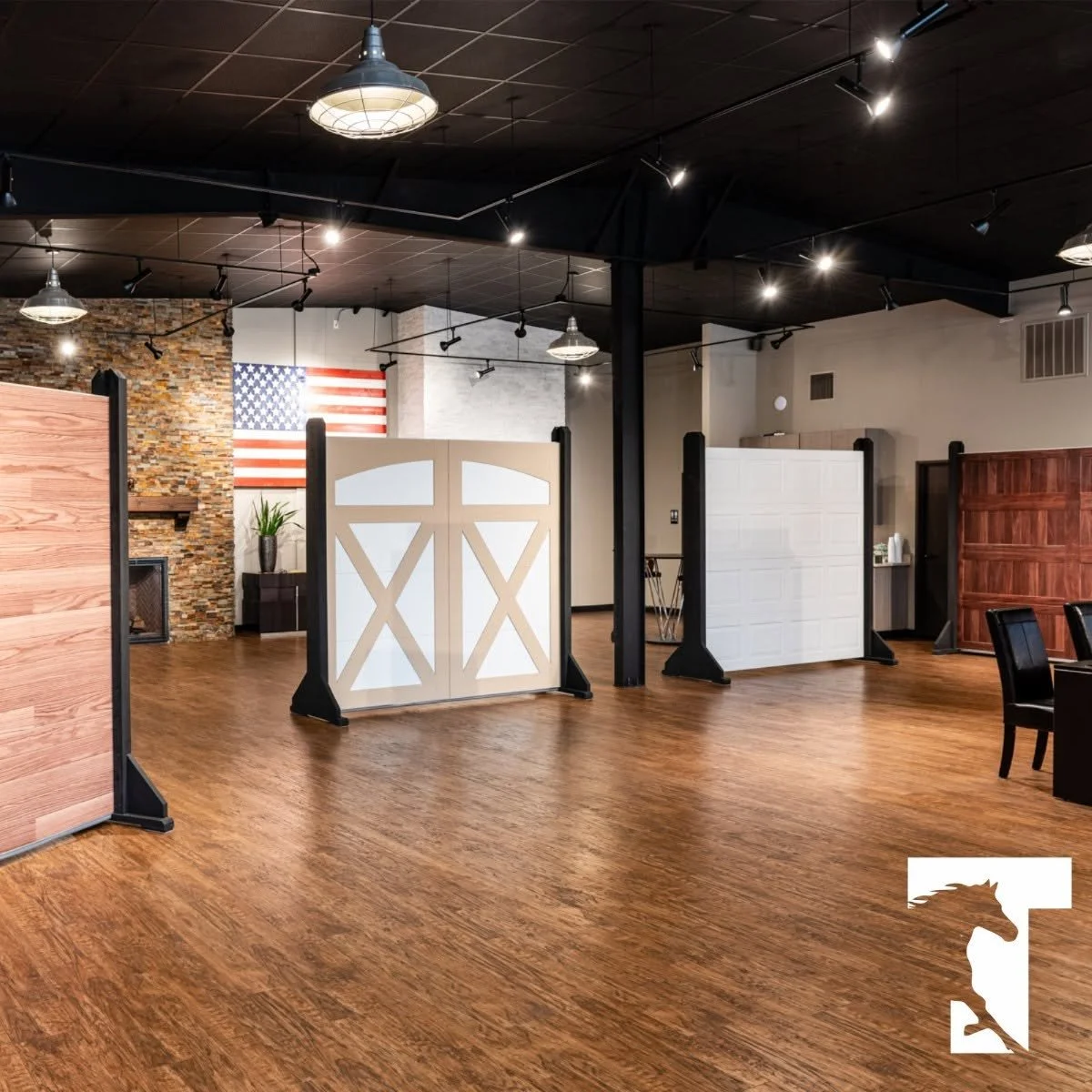
We have helped homeowners in Edmond and across the Oklahoma City area make this decision for more than 40 years. Our showroom in Edmond carries real door panels across multiple construction types so you can see and feel the difference between a basic insulated door and a premium multi-layer model before committing to an order. New door installations come with a one-year labor warranty and a manufacturer's limited lifetime warranty on door sections and parts. Our staff can walk you through which construction makes sense for your specific situation.
Related Topics: