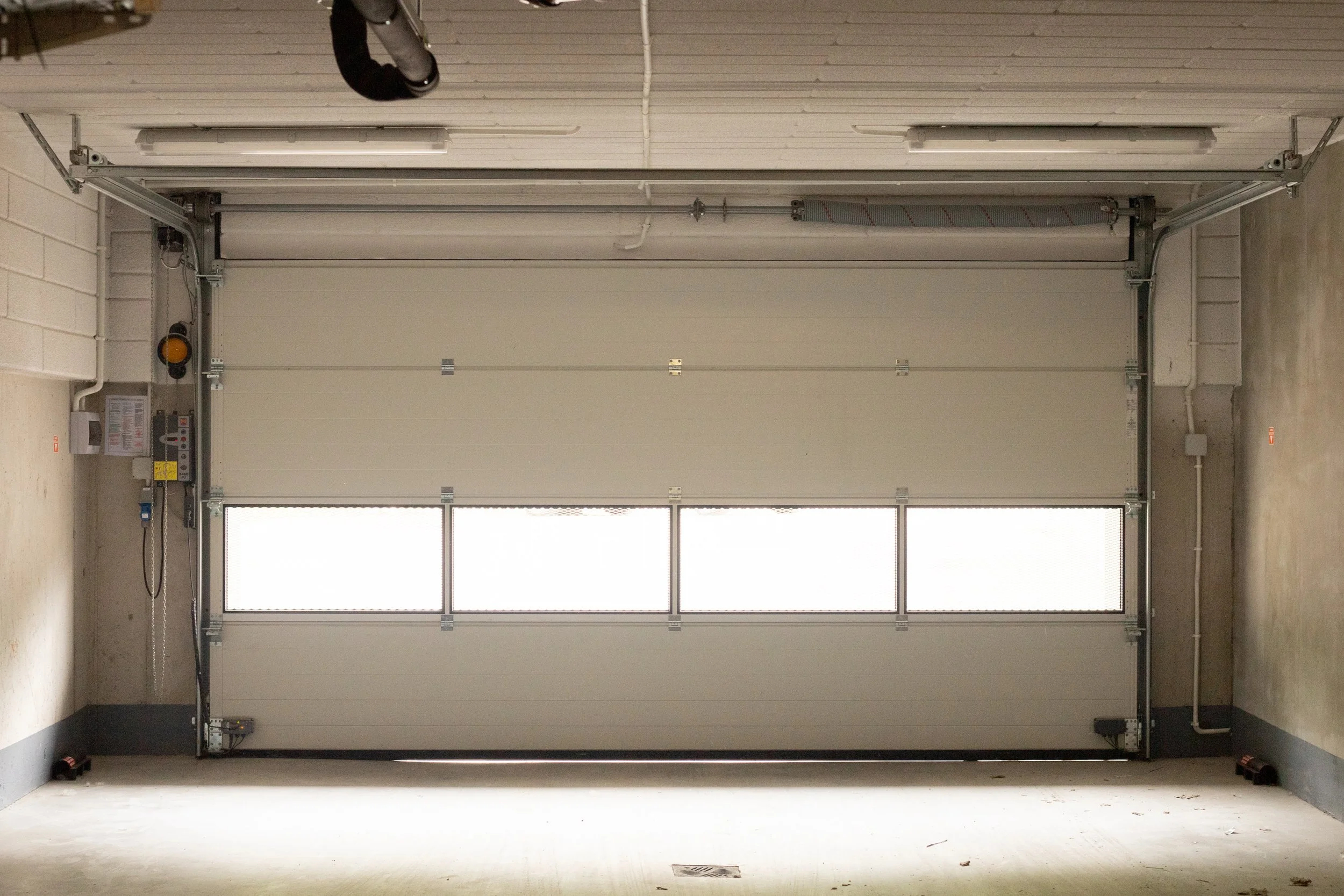
Most homeowners shopping for a new garage door zero in on style and color, glance briefly at the insulation rating, and call it a day. In milder climates, that approach might work out fine. Edmond doesn't quite fit that description.
Oklahoma summers run hot, and garages facing south or west in Edmond can hit temperatures that put genuine strain on the mechanical parts of a door system. Winters here aren't harsh by northern standards, but the occasional ice storm or hard freeze can still cause trouble for a door that hasn't been properly maintained or wasn't built with that kind of weather in mind. That's why homeowners often turn to highly rated garage door services when choosing a system that can handle both extremes without breaking down.
Insulation rating, or R-value, plays a real role in how well your garage door holds up against those swings. Below is a closer look at what that number actually measures and what tends to make sense for homes in this part of the state.
What R-Value Actually Measures
R-value is a measure of thermal resistance. It tells you how well a material slows the movement of heat from one side to the other. A higher number means better resistance, which means more effective insulation.
For garage doors, R-value is determined almost entirely by construction. A single-layer steel door is just a sheet of steel with nothing behind it. Its R-value is near zero, and it does nothing meaningful to slow heat transfer.
A two-layer door adds polystyrene foam bonded to the back face of the steel, similar to the material in a styrofoam cooler. This gets you into the R-6 to R-9 range depending on foam thickness.
Three-layer doors take a different approach, sandwiching polyurethane foam between two steel skins with the foam injected to fill the full cavity and bond to both surfaces. This construction reaches R-16 and above. It also makes the door panel itself substantially more rigid, which matters for durability in Oklahoma weather.
Why Oklahoma's Climate Makes This Worth Thinking About
An attached garage in Edmond shares at least one wall, and often a ceiling with a room above, with the living space of the house. What happens thermally in the garage affects what happens on the other side of that wall.
On a 105-degree July afternoon with a dark-colored steel door facing south, the inside of that garage can get significantly hotter than the outdoor temperature. That heat pushes through the shared wall and forces the air conditioning system to work harder. An insulated door slows that transfer in a way that makes a real difference during sustained summer heat.
The same logic runs in winter. A garage that sits at a temperature closer to the living space, because of a well-insulated door, puts a much smaller thermal load on the shared wall than one that's sitting at 28 degrees.
If the garage is only used for parking, this matters at a moderate level. If you use the space as a workshop, exercise area, or anything that involves time spent inside, it matters considerably more.

What the Different R-Value Ranges Mean in Practice
R-6 to R-9 is the entry point for insulated doors. It's a genuine step up from a single-layer door, but for an attached garage in Edmond, this is the floor of what makes sense rather than a target.
R-10 to R-13 is where most practical recommendations land for Oklahoma homes with attached garages. The cost difference from lower-rated doors is modest, and the improvement in temperature management is real.
R-16 and above is the range to consider for garages on south or west exposures, for spaces used as more than parking, or for homeowners who want the most durable panel construction available. The three-layer polyurethane doors at this level are structurally stiffer than their lower-rated counterparts and hold up better against Oklahoma's wind and hail.
Benefits That Go Beyond Energy Savings
An insulated door is also quieter. Polyurethane foam absorbs sound and reduces vibration, which means the door rattles less during operation. For homes where the garage shares a wall with a bedroom or main living area, that's a noticeable difference day to day.
The structural rigidity point carries weight from a durability standpoint too. A three-layer door is simply a stronger structure than a single or two-layer door. It resists denting better from minor impacts, holds up under wind pressure better, and maintains tighter hardware connections over time because the panel itself flexes less during operation.
For Edmond homeowners dealing with Oklahoma storms, that's not a small consideration.
What We Recommend for Most Edmond Homes
For a standard attached garage in Edmond, we generally recommend starting at R-12 and moving up from there based on exposure and how the space is used. The climate justifies it, the upfront cost difference is manageable, and the long-term payoff in comfort, efficiency, and door longevity is real.
We carry insulated doors across multiple R-value levels through our new garage door installation service, and the construction differences are much easier to understand when you can see and handle the panels in person. Our showroom at Trotter Overhead Door in Edmond has options on display.
Jeff M. described what most of our customers find when they work with our team: "Outstanding customer service. The technician was knowledgeable, friendly and very efficient in identifying and fixing my problem. Two thumbs up. Highly recommend them to anyone with garage door related issues." That same approach applies to new door consultations. We'll give you a straight read on what makes sense for your specific garage, no pressure required.
Related Topics: