How Garage Door Age Influences Home Insurance and Risk in Edmond
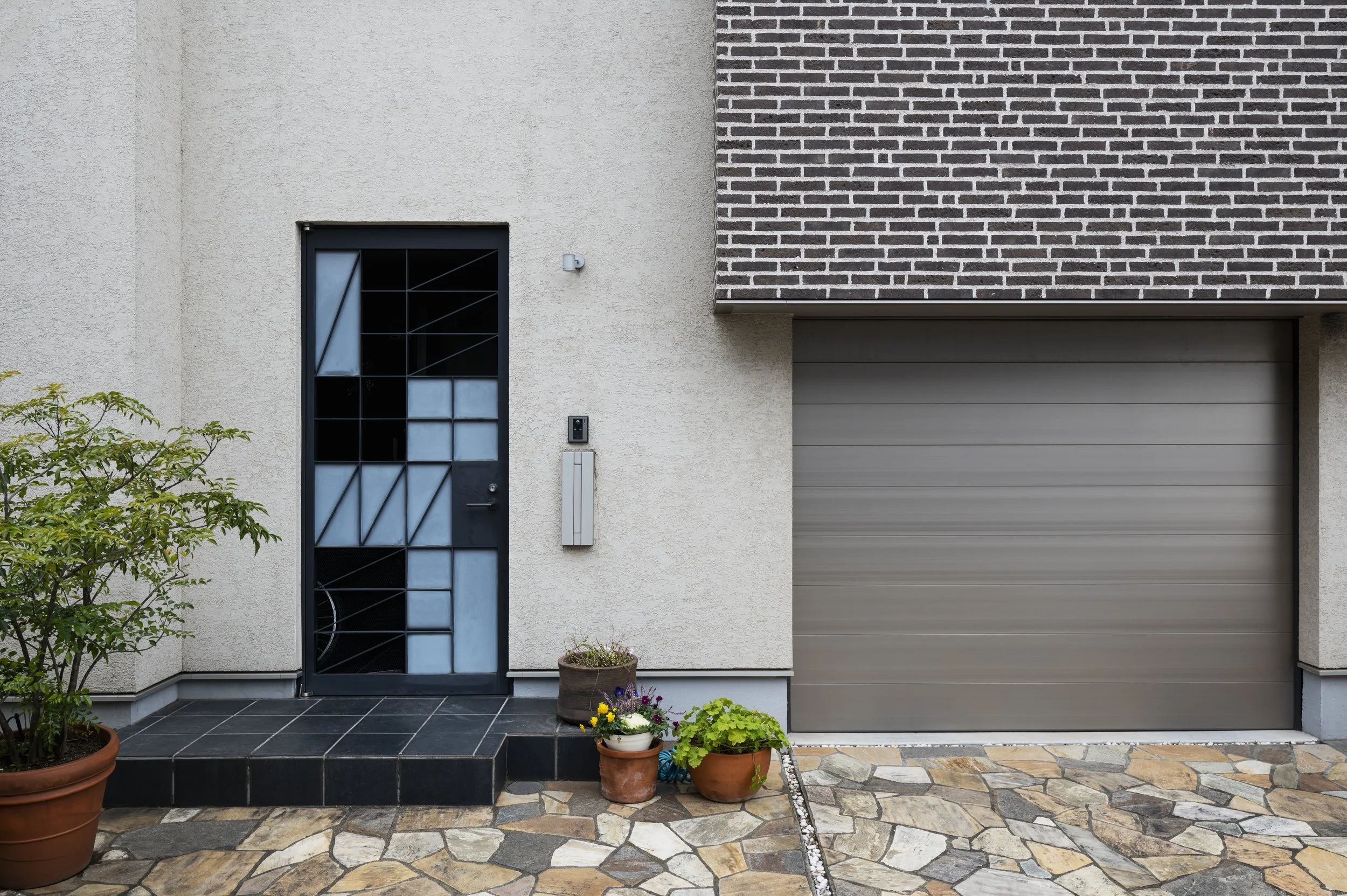
A garage door rarely comes up in conversations about home insurance, but it really should. It happens to be one of the largest openings in your home's exterior, and its condition has a direct effect on your property's security, weather resistance, and structural soundness. For Edmond homeowners, working with an expert garage door repair team and understanding how door age ties into insurance considerations and physical risk is a smart way to protect your investment.
Why Garage Door Age Matters to Insurance Companies
Insurance companies evaluate risk based on the likelihood and cost of a potential claim. An older garage door introduces several risk factors that adjusters and underwriters pay attention to, particularly when the door has visible wear, outdated hardware, or no documented maintenance history.
Most residential garage doors are designed to last 15 to 25 years with proper maintenance. A door that has been in place for 20 years without any service records, or one that shows visible deterioration in its panels, springs, or hardware, signals deferred maintenance risk. If that door fails, is broken into, or allows weather damage through a failed seal, the cost of the resulting claim falls on the policy.
Some insurers ask about the age and condition of major exterior components during the underwriting process or at renewal. A door well past its expected service life may prompt additional questions, higher premiums, or coverage adjustments depending on the policy and the carrier. Speaking with your insurer directly is always the right step if you have questions about how your specific door affects your coverage.
Risk Factors That Come With an Aging Garage Door
Age alone does not determine risk, but older doors accumulate multiple risk factors that compound over time. A 20-year-old door with original springs, cables, and rollers has components that have completed tens of thousands of cycles under Oklahoma weather conditions. Even components rated for longer service lives degrade faster without regular maintenance.
Torsion springs, the components under the highest mechanical stress in the system, are typically rated for around 10,000 cycles. At an average of four cycles per day, that is roughly seven years of useful life under normal residential use. High-cycle springs last longer, but they are not standard on all residential doors. A spring that has surpassed its cycle rating is a failure waiting to happen.
Beyond mechanical failure, older doors often have gaps in their weather seals, outdated torsion hardware, and manual locking mechanisms that do not meet current security standards. Those factors affect not just insurance risk but home security and energy costs year-round.
When Age Alone Is Not the Full Picture
A 20-year-old door that has been regularly serviced, has had springs and cables replaced as needed, and shows no structural damage is in a fundamentally different position than a 10-year-old door that has been neglected. Age matters, but condition and maintenance history matter more.
The most reliable way to know where your door actually stands is a professional inspection. A trained technician identifies what is worn, what has already been addressed, and what the door's realistic remaining service life looks like. That information is worth having before any insurance conversation, and it is worth having before a component fails at an inconvenient moment.
We offer free consultations for Edmond homeowners who want a professional opinion on their door's condition. There is no obligation to proceed with a repair or replacement based on what we find.
What Home Inspectors Look at When Evaluating Garage Doors
When a home is inspected before a sale or during a coverage review, the garage door is typically assessed as part of the structure. Inspectors look at the door panels for dents, cracks, or warping. They check the hardware, including springs, cables, and rollers, for visible wear or corrosion. They test the auto-reverse function by placing an object in the door's path. They check whether the opener has the safety features required under current standards.
An older opener that lacks auto-reverse capability may not meet current residential safety requirements. Upgrading the opener addresses this specifically, and a garage door opener replacement is often one of the lower-cost ways to bring an aging system up to current standards without replacing the door itself.
Documenting any recent service work, component replacements, or opener upgrades gives a home inspector a clearer picture of the door's actual condition rather than just its age on paper.
How Door Condition Connects to Home Value
A garage door makes up a significant portion of a home's front exterior, and its condition is immediately visible to anyone approaching the property. A faded, dented, or mechanically unreliable door affects curb appeal and signals deferred maintenance to buyers and appraisers alike.
For homeowners preparing to sell in Edmond, addressing a door's condition before listing typically returns a strong share of the investment. An updated door is not just cosmetic; it signals that the home has been maintained. Buyers take note, and so do appraisers when determining market value.
A door that an inspector flags as aging or mechanically suspect can become a negotiating point that reduces the sale price by more than the cost of addressing the issue beforehand.
When Replacement Makes More Sense Than Repair
Repair is usually the right call when a door is structurally sound and one or two components have failed. Replacement starts to make more sense when the door is past its service life, multiple systems are failing simultaneously, or the repair cost approaches half the price of a new door.
A door that has needed three repairs in two years is giving you a clear signal. Our team gives honest assessments of both options without pushing replacement when repair is genuinely the better fit. For homeowners exploring new door options, our 15,000 sq. ft. showroom at 14000 North Santa Fe Ave. in Edmond is where that conversation happens in person, with real door styles on display.
New garage door installation comes with a 1-year labor warranty and the manufacturer's limited lifetime warranty on door sections and parts. That documented coverage adds real value to the investment.
What a Warranty-Backed Installation Means for Your Coverage
A new door with documented warranty coverage gives you something concrete to present to an insurer: a recently installed, properly warranted replacement of a major exterior component. That is a meaningful data point in any policy conversation.
Our installation warranty covers one year of labor and includes the manufacturer's limited lifetime warranty on door sections and parts. Full warranty terms are available on our warranty page.
Related topics: