The Ultimate Guide to Wiring a Garage Door Opener
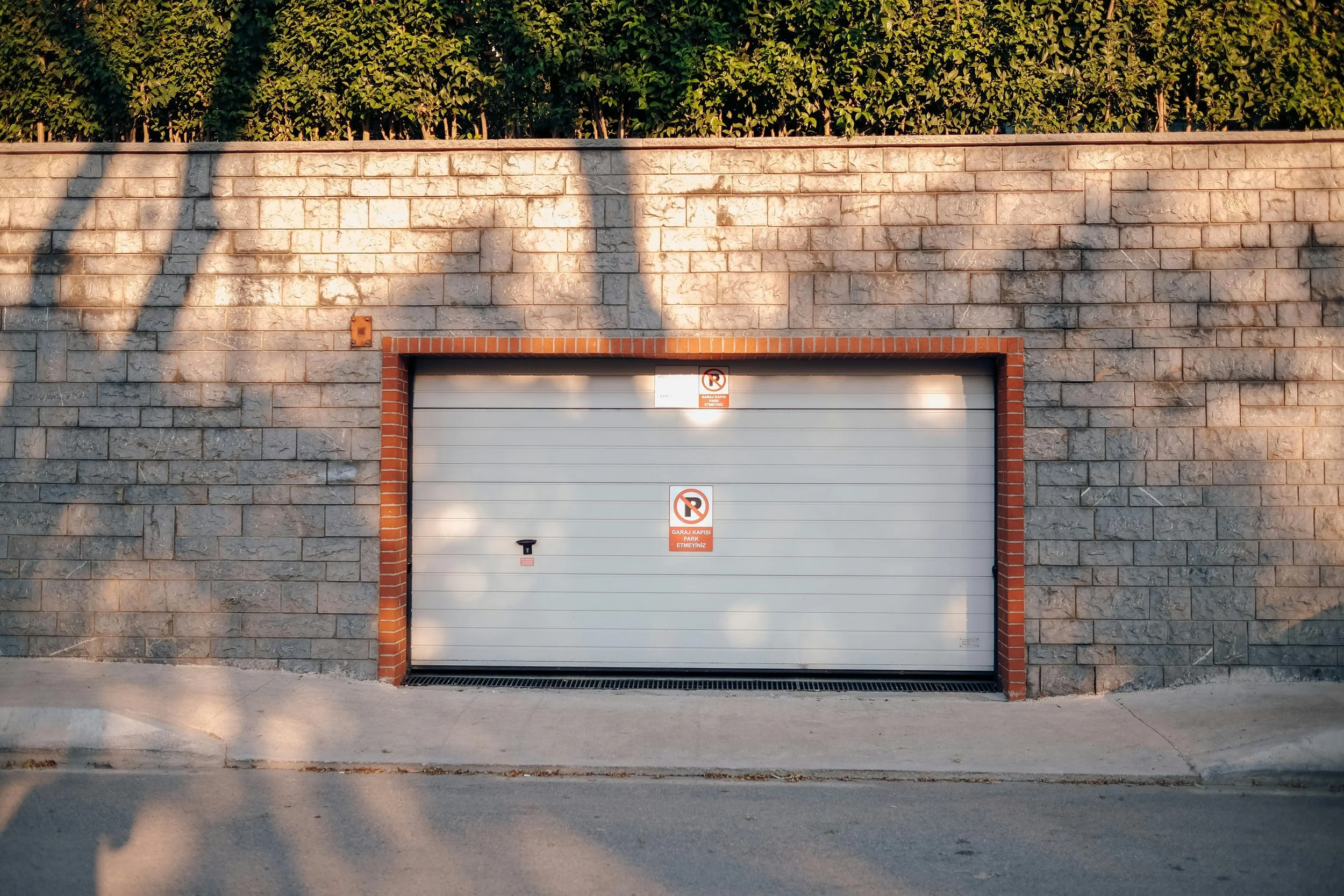
So, wiring your garage door opener, yeah, it might seem scary if you’ve never done it before. But really, it’s mostly about knowing where the power, motor, wall switch, remote, and sensors go. You want to make sure the power’s off first; don’t skip that part. I’d even say having trusted garage door repair technicians peek over or answer questions isn’t a bad idea if it’s your first time.
Once you look at the wires and the motor, it starts making sense. It’s like connecting the dots. You have to know which wire goes where. Take it slow, check everything twice, and you’ll save yourself some headaches later.
Basic Components of Garage Door Opener Wiring
Okay, so the main parts are the power source, the motor, the wall switch, the remote control, and the safety sensors. The motor’s what actually moves the door. The wall switch is for when you want to open it by hand, and the remote lets you do it from your car.
Safety sensors are tiny but super important. They stop the door if something’s in the way. That part’s not optional; you definitely don’t want to skip it. Thinking about how each piece interacts before touching wires makes the rest easier.
Understanding Electrical Safety Precautions
Power off first. Seriously. Don’t touch anything live. Gloves help, and maybe goggles too if you’re nervous. Look at the wires if they’re frayed or worn; don’t just go ahead. That can cause shorts or shocks.
Take your time and read the manual. Don’t try to rush through it. It’s tempting, but you’ll mess something up. Overloading circuits or pulling wires too hard can cause problems, so slow down a bit and pay attention.
Tools Needed for Wiring a Garage Door Opener
You don’t need a huge toolbox, just a few essentials. A voltage tester is helpful to see if there’s power: wire cutters and strippers, a screwdriver set, maybe a drill, and some wire nuts. A ladder helps, zip ties keep things tidy, and a pencil and tape measure can save you frustration.
Having everything ready first makes things less stressful. If you run around mid-job looking for a screwdriver, you’ll get annoyed and maybe make a mistake.
Step-by-Step Guide to Wiring Connections
Start with the motor wires going to the outlet. Make sure the connections are tight, and check polarity. Then hook up the wall switch. Polarity matters there, too, just like the manual says.
Sensors come next. Align them properly, or the door might not close. Remotes can be paired last. Once everything is connected, double-check that the wires aren’t pinched or loose. Test it a few times. The door should move smoothly and quietly. If not, tweak it a bit until it works.
Troubleshooting Common Wiring Issues
If it’s not working, check all connections again. Loose wires or bad insulation are the usual culprits. You can use a multimeter to check continuity if you have one.
Look at the outlet, too; sometimes that’s the problem. Sensors misaligned? Are the remote batteries dead? Small things, really. Unplug the opener for a few minutes, and plug it back in. Often, that fixes it. If not, calling a pro isn’t cheating; it’s just smart.
Upgrading to Smart Garage Door Opener Controls
Thinking about smart controls? Check if your opener supports it. Some older units won’t work. Make sure your smart controller matches the protocol Wi-Fi, Bluetooth, Z-Wave, or whatever it needs.
Smart features can be handy, like rolling codes for security or voice assistants. Pick what fits your routine and garage setup. The wiring isn’t really harder, just a few extra connections, and once it’s done, you’ll feel like a pro.
Related Topics: